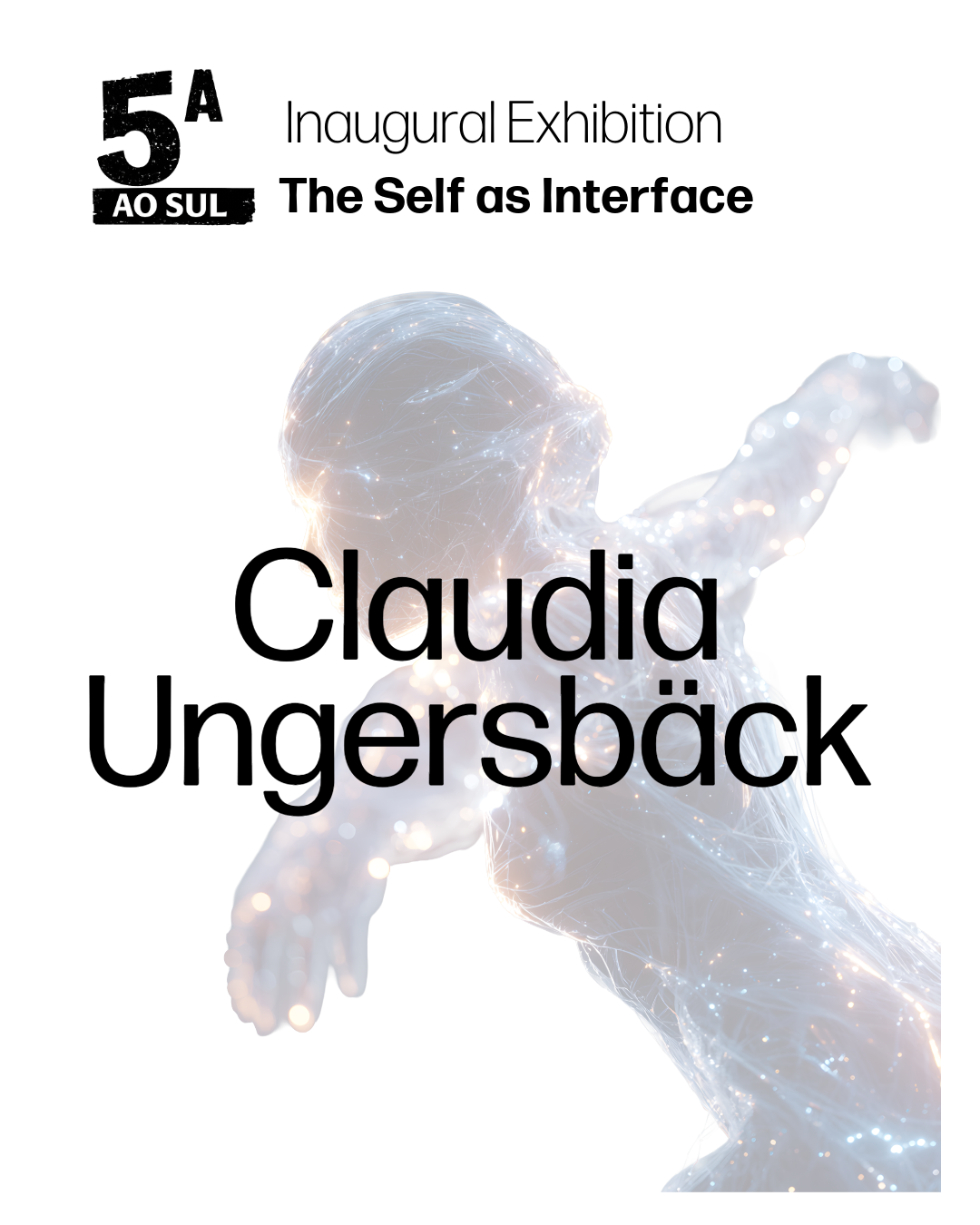
Claudia Ungersbäck
Austria
Vienna, Austria
www.claudiaungersbaeck.com
@claudia.ungersbaeck
Austria
Vienna, Austria
www.claudiaungersbaeck.com
@claudia.ungersbaeck
Short Bio:
Claudia Ungersbäck made her A-levels in fashion design, attended drawing classes at Trinity College Dublin, graduated wienerkunstschule Vienna, class for printmaking with animation workshops at University of fine Arts Crakow and studied Philosphy at University of Vienna. Her films and artworks have been shown in international filmfestivals and exhibitions.
Artistic statement:
My work explores portraiture as a way of portraing broader themes rather than individual identitys. Working across drawing, photography, film and reproduction processes, I investigate the relationship between control and intuition., gesture and mechanical production. I am interested in how images are transormed trough repetition, perseption and time. Rather than documenting reality, my work examine the conditions under wivh images emerge, circulate and aquire new meaninngs. Each work is part of an ongoing dialogue between material, process, decisions, physical acts and observation, where intuitive decisions meet conceptual reflection.
General context and practice
1. I read a great deal of poetra during my fashion design studies and was also deeply interestedin music. I collected design magazines featuring cultural essays and staged photography. In fashion, the photographic image is an essental part oft he creative process, which led me later on to study analogue photography in evening courses. Alongside that, I tought myself drawing and painting from books what leaded into drawing classes in Dublin. Because drawing came naturally to me, I chose to specialise in printmaking. My interest in drawin gin motion gradually led me to animation and videoart. Although I started using social media relatively late and launched my website in 2017 (besides a little online project in 2009), I remain strongly attracted to analoque techniques and older texts. This perspective allows me to look at todays rapidly envolving digital culture from a certain distance. Rather than focussing on technology itself, I am interested in how it transforms the production, perseption and circulation of images, and how these changes reflect broader cultural shifts.
2. In the beginning, Instagram felt like a playground. I used Facebook mainly to share articles, promote exhibitions and wrote poems, while Instagram became a place to present my artwork and shared it then in Facebook. For a long time, I maintanined several Instagram Accounts after another because I wanted to preserve this sense of play and experimentation. Eventually, however, I decided to concentrate on one single account. At several points, social media became too much, and I went offline. I realised that many people use these platforms primarely for self-presentation or as source for ideas. My focus remains on my artistic practice. Recently, I have started to share more of my thinking process on Instagram rather than only finished works. When I feel overwhelmed, I step away for a while. I need this periods of distance to collect myself and return with a clearer perspective.
INTER
1.
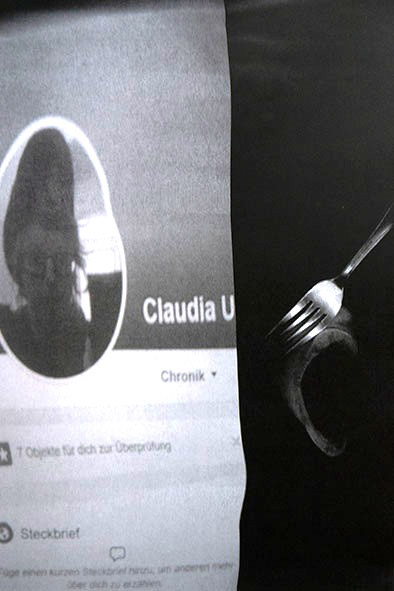
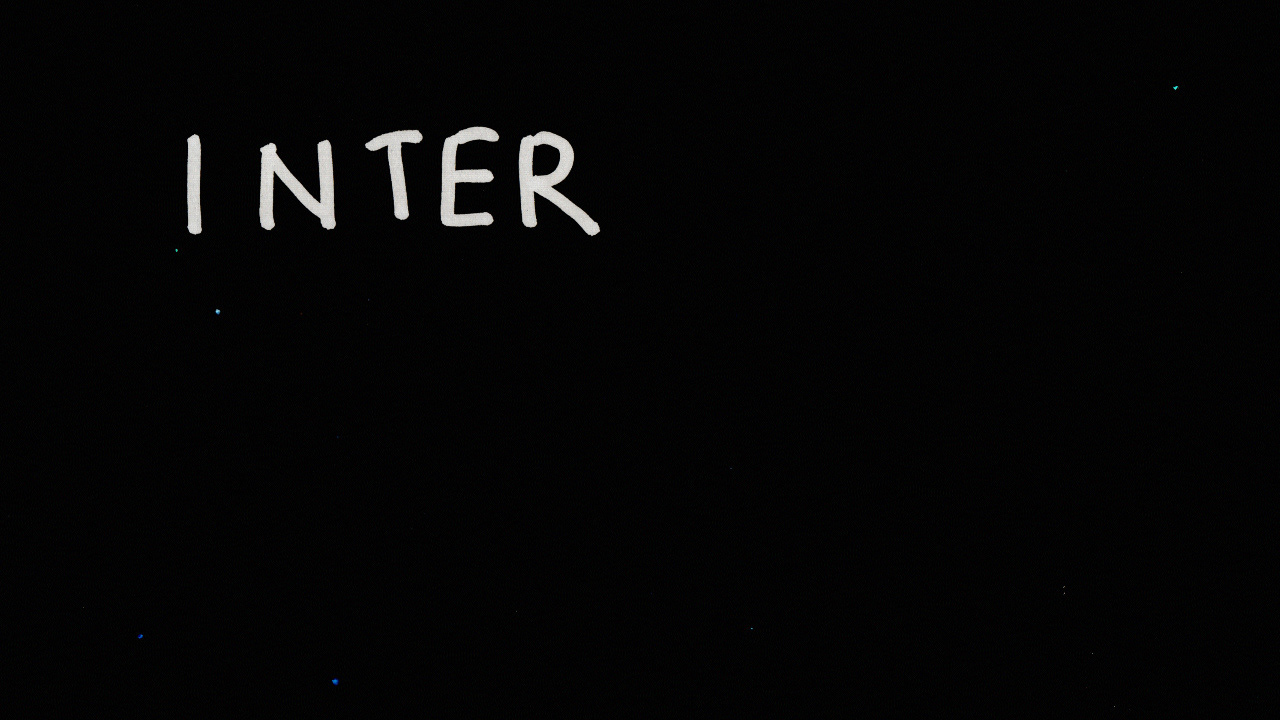
I first came across Antonin Artaud while reading Gilles Delleuze. I was fascinated by Artaud´s Theatre of Cruelty and his body without organs, which Delleuze later reinterpreted in his own philosophy. At the same time, I have always been interested in sience fiction and apocalyptic cinema. While making INTER, I created dhadow drawings and noticed their resemblance tot he flat silhuettes of Facebook profile pictures. That observation became the starting point oft he work. Social media seemed to offer a contemporary stage for Artaud´s Theatre of Cruelty. Aggression, anonymus comments, interruptions, counter-voices and emotional outbursts unfold publicily in posts, videos and discussions. In this sense, INTER is not a direct illustration of Artauds ideas, but a reflection on how aspects of this theatrical concept continue to resonate with doday´s digital culture.
1.
I first came across Antonin Artaud while reading Gilles Delleuze. I was fascinated by Artaud´s Theatre of Cruelty and his body without organs, which Delleuze later reinterpreted in his own philosophy. At the same time, I have always been interested in sience fiction and apocalyptic cinema. While making INTER, I created dhadow drawings and noticed their resemblance tot he flat silhuettes of Facebook profile pictures. That observation became the starting point oft he work. Social media seemed to offer a contemporary stage for Artaud´s Theatre of Cruelty. Aggression, anonymus comments, interruptions, counter-voices and emotional outbursts unfold publicily in posts, videos and discussions. In this sense, INTER is not a direct illustration of Artauds ideas, but a reflection on how aspects of this theatrical concept continue to resonate with doday´s digital culture.
2
I became interested in shadow drawings after reading a book about painting. It described the origin of portraiture as arising from the awareness of a loss. According tot he ancient legend, a young woman from Corinth traced the shadow oft her beloved on the wall by candlelight before he left. I was fascinated by this story. Later, the shadow drawings reminded me oft he flat shiluettes of Facebook profile pictures , and I began to animate them. Jean Baudrilliard´s idea oft he simulacrum also became relevant to my thinking. The recorded footage in INTER suggests a reality outside the simulacrum, yet it is inevitable shaped by it. Every image we share online moves from private spaces or other places into public sphere abd gradually influences how we perceive people beyond screen.
I became interested in shadow drawings after reading a book about painting. It described the origin of portraiture as arising from the awareness of a loss. According tot he ancient legend, a young woman from Corinth traced the shadow oft her beloved on the wall by candlelight before he left. I was fascinated by this story. Later, the shadow drawings reminded me oft he flat shiluettes of Facebook profile pictures , and I began to animate them. Jean Baudrilliard´s idea oft he simulacrum also became relevant to my thinking. The recorded footage in INTER suggests a reality outside the simulacrum, yet it is inevitable shaped by it. Every image we share online moves from private spaces or other places into public sphere abd gradually influences how we perceive people beyond screen.
3
I think the internet has become a reality of ist own, yet it constantly influences our physical experience oft he world. Trough posts, reels and online conversations, I gain knowledge about people from different continets and cultures that I neverencounter otherwise. Philosophy has long distinguishes between mind and body, a question every student eventually faces. Digital communication expands my mind and my imagination, and sometimes touches my emotions. Words and images can move us deeply, but they are not the same than physical presence. There is still a difference between receiving comforting messages online and being embraced by a friend when you are sad.
I think the internet has become a reality of ist own, yet it constantly influences our physical experience oft he world. Trough posts, reels and online conversations, I gain knowledge about people from different continets and cultures that I neverencounter otherwise. Philosophy has long distinguishes between mind and body, a question every student eventually faces. Digital communication expands my mind and my imagination, and sometimes touches my emotions. Words and images can move us deeply, but they are not the same than physical presence. There is still a difference between receiving comforting messages online and being embraced by a friend when you are sad.
4
The Iron Curtain no longer exists, although there are still countries with trict restrictions on internet access. I chose English because almost every film festival requires englisch subtitles, and I wanted the film tob e accessible without creating them. I also replaced Artaud´s dance scene with a dance between myself and the camera in my studio. It seemed more appropriate fort he visual language and atmosphere for the film. I know that dance is a central element of Artaud´s thinking, but I could not fully relate to it in my own practice. Rather than forcing a direct adaption, I shose an interpretation that felt honest to me and to the work.
The Iron Curtain no longer exists, although there are still countries with trict restrictions on internet access. I chose English because almost every film festival requires englisch subtitles, and I wanted the film tob e accessible without creating them. I also replaced Artaud´s dance scene with a dance between myself and the camera in my studio. It seemed more appropriate fort he visual language and atmosphere for the film. I know that dance is a central element of Artaud´s thinking, but I could not fully relate to it in my own practice. Rather than forcing a direct adaption, I shose an interpretation that felt honest to me and to the work.
REPRESENTA_NATION_QUESTION_MARK
1
Everything you mentioned plays a role. People often want to know where you come from, which country you live in, where an artwork was created.
This made me wonder whether I ask different questions because of my own background, my gender and my education. It also led me to think about representation is a broather sense. Who is included when we sag „we“? Who speaks for whom? The seemingly simple word „we“ is never neutral. It reflects identities, histories and power structures constantly negotiated.
Everything you mentioned plays a role. People often want to know where you come from, which country you live in, where an artwork was created.
This made me wonder whether I ask different questions because of my own background, my gender and my education. It also led me to think about representation is a broather sense. Who is included when we sag „we“? Who speaks for whom? The seemingly simple word „we“ is never neutral. It reflects identities, histories and power structures constantly negotiated.
2
No, I still see people reading books on the tube, in parks and in librarys. I do not believe that reading itself is dissapearing. What concerns me more is the culture of „fastfood“ information. We consume short fragments, expect information to be instantrly available and endlessl scroll from one image or thext to the next. I think that changes our attention. It becomes more difficult to stay with complexity, uncertainty and longer processes of thinking. At the same time, I believe we still have the choice to slow down and engage more deeply.
No, I still see people reading books on the tube, in parks and in librarys. I do not believe that reading itself is dissapearing. What concerns me more is the culture of „fastfood“ information. We consume short fragments, expect information to be instantrly available and endlessl scroll from one image or thext to the next. I think that changes our attention. It becomes more difficult to stay with complexity, uncertainty and longer processes of thinking. At the same time, I believe we still have the choice to slow down and engage more deeply.
3
I am interested in the hapric quality of a copy and in digital painting created directly on the surface oft he scanner. Although these works are digitally produced, they retain a physical presence that gives them a certain aura. I do not believe that people are perfect , even if social media often encourages the appearance of perfection. At the same time thera are many users wo consciously resist this expectations. What interests me is not perfection itself, but the endless circulation of images and the desire for visibility trhrough likes, followers and shares. Baudrilliard described the endless circulation of images, while Delleuze reflected on desire as a productive force. Today, I believe one oft he central questions is autorship and copyright in a culture where images are constantly reproduced, transformed and redistributed.
I am interested in the hapric quality of a copy and in digital painting created directly on the surface oft he scanner. Although these works are digitally produced, they retain a physical presence that gives them a certain aura. I do not believe that people are perfect , even if social media often encourages the appearance of perfection. At the same time thera are many users wo consciously resist this expectations. What interests me is not perfection itself, but the endless circulation of images and the desire for visibility trhrough likes, followers and shares. Baudrilliard described the endless circulation of images, while Delleuze reflected on desire as a productive force. Today, I believe one oft he central questions is autorship and copyright in a culture where images are constantly reproduced, transformed and redistributed.
Intersection
1
I simply wanted to visualisise these interfaces in an analogue way. My work is neither a critique nor a form of resistance, but a reflection of how I perceive the world. I know people who consciously resist digitalisation, and others who are fully immersed in it. Having grown up with television and radio, but without mobile phones of social media, I can reflect on this transition from an analoque to an digital culture. For younger generations, digital technologys are often a natural part of everyday life. I do not think digital culture is inherently harmful. Comparisons, ideals and the desire for recognition have always existed. What has changed are the speed, scale, privacy and visibility in which they circulate.
1
I simply wanted to visualisise these interfaces in an analogue way. My work is neither a critique nor a form of resistance, but a reflection of how I perceive the world. I know people who consciously resist digitalisation, and others who are fully immersed in it. Having grown up with television and radio, but without mobile phones of social media, I can reflect on this transition from an analoque to an digital culture. For younger generations, digital technologys are often a natural part of everyday life. I do not think digital culture is inherently harmful. Comparisons, ideals and the desire for recognition have always existed. What has changed are the speed, scale, privacy and visibility in which they circulate.
2
I do not think there is a fundamental alienation between mind and body, as I do not see them seperate. Mirrors have appeared repeatedly in my work. I once came across a social media post by a woman in the United States that simply read, „I´m just your reflexion“. That sentence stayed with me. Gerhard Richter once described art as a mirror. I am not sure wheter he meant a mirror of personal perseption or of society itself. Form e, art is primarily a way of sharing thoughts rather than offering solutions. Once art becomes aa tool with a specific purpose, it enters a political sphere. I realized this only gradually, and I do not want my work to be read primarely as political. I have no ambition to change the world through my art or my writing. I simply want to share ways of seeing and thinking.
I do not think there is a fundamental alienation between mind and body, as I do not see them seperate. Mirrors have appeared repeatedly in my work. I once came across a social media post by a woman in the United States that simply read, „I´m just your reflexion“. That sentence stayed with me. Gerhard Richter once described art as a mirror. I am not sure wheter he meant a mirror of personal perseption or of society itself. Form e, art is primarily a way of sharing thoughts rather than offering solutions. Once art becomes aa tool with a specific purpose, it enters a political sphere. I realized this only gradually, and I do not want my work to be read primarely as political. I have no ambition to change the world through my art or my writing. I simply want to share ways of seeing and thinking.
3
My only goal was that Antonin Artoud might have apprecuated my interpretation. Whether I succeeded is something I will never know, because I can no longer ask him. That uncertainty i spart of the work. When I speak about an awareness of little things, I mean the ability to experience small moments without immediately photographing or sharing them. Once an image is posted, the moment enterst he public sphere. It no longer belongs entirely to you; it becomes part of a shared digital memory. I am interested in that shift between private expierience and public image.