AXIS I — ECHOES OF FLESH: THE SUBCONSCIOUS CODED
The first axis of the exhibition investigates the human body and mind not as static entities external to the machine, but as living matrices in a continuous state of somatic and computational translation. Here, the screen ceases to function merely as a display device, assuming instead the condition of a permeable membrane: a threshold where neurological pathways, traumas embedded within muscle memory, oneiric visions, and altered states of consciousness are deconstructed, computed, and reconfigured into code, acoustic frequencies, and algorithmic matter. By confronting the irreversible weight of organic gestures with the synthetic fluidity of computational systems, these works invite a radical reflection on the boundaries of subjectivity, proposing that human flesh carries impulses and memories that the algorithm receives, transmutes, and resurrects as new topographies of perception.
Ling (Yiling Cao)
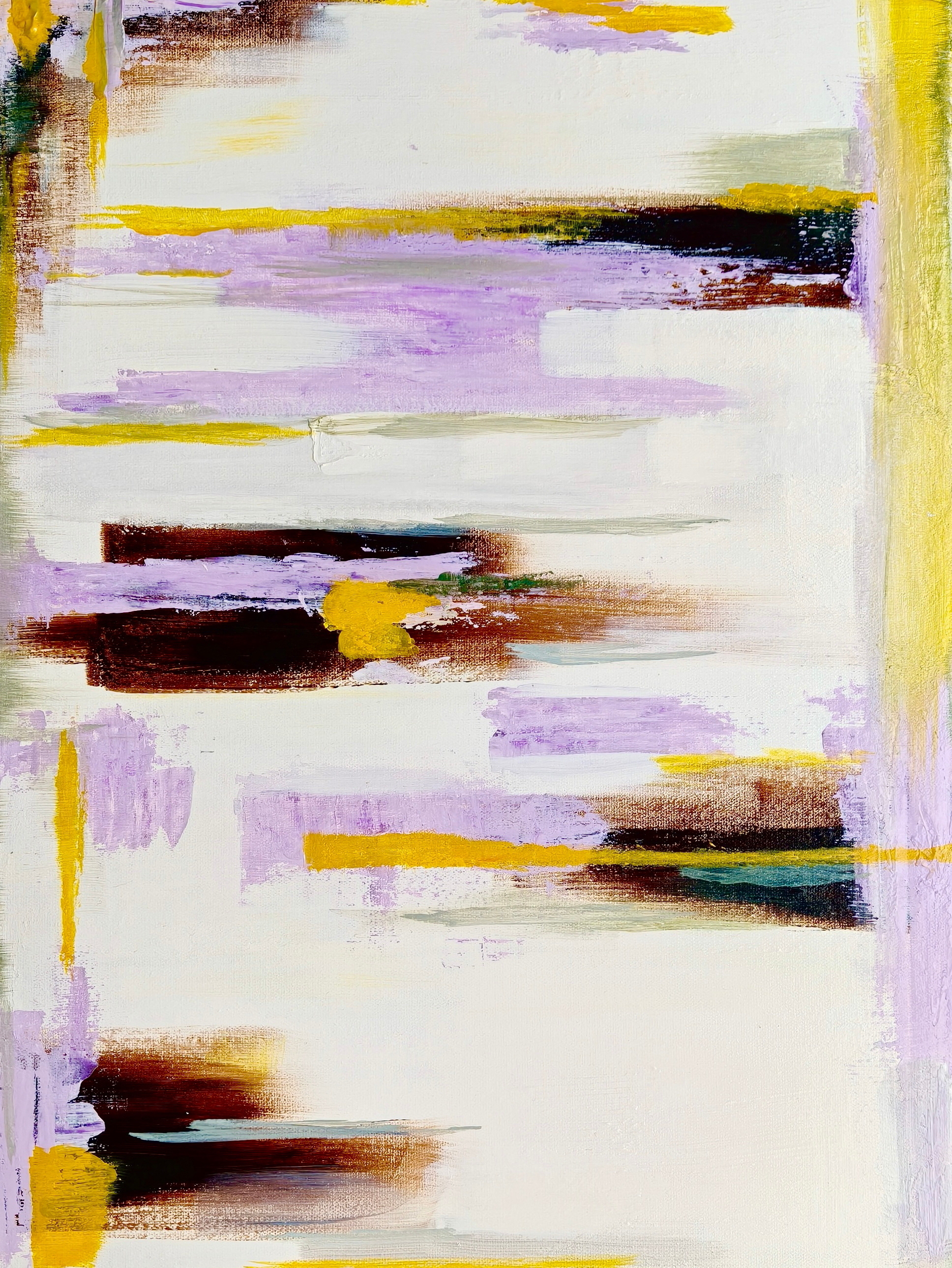
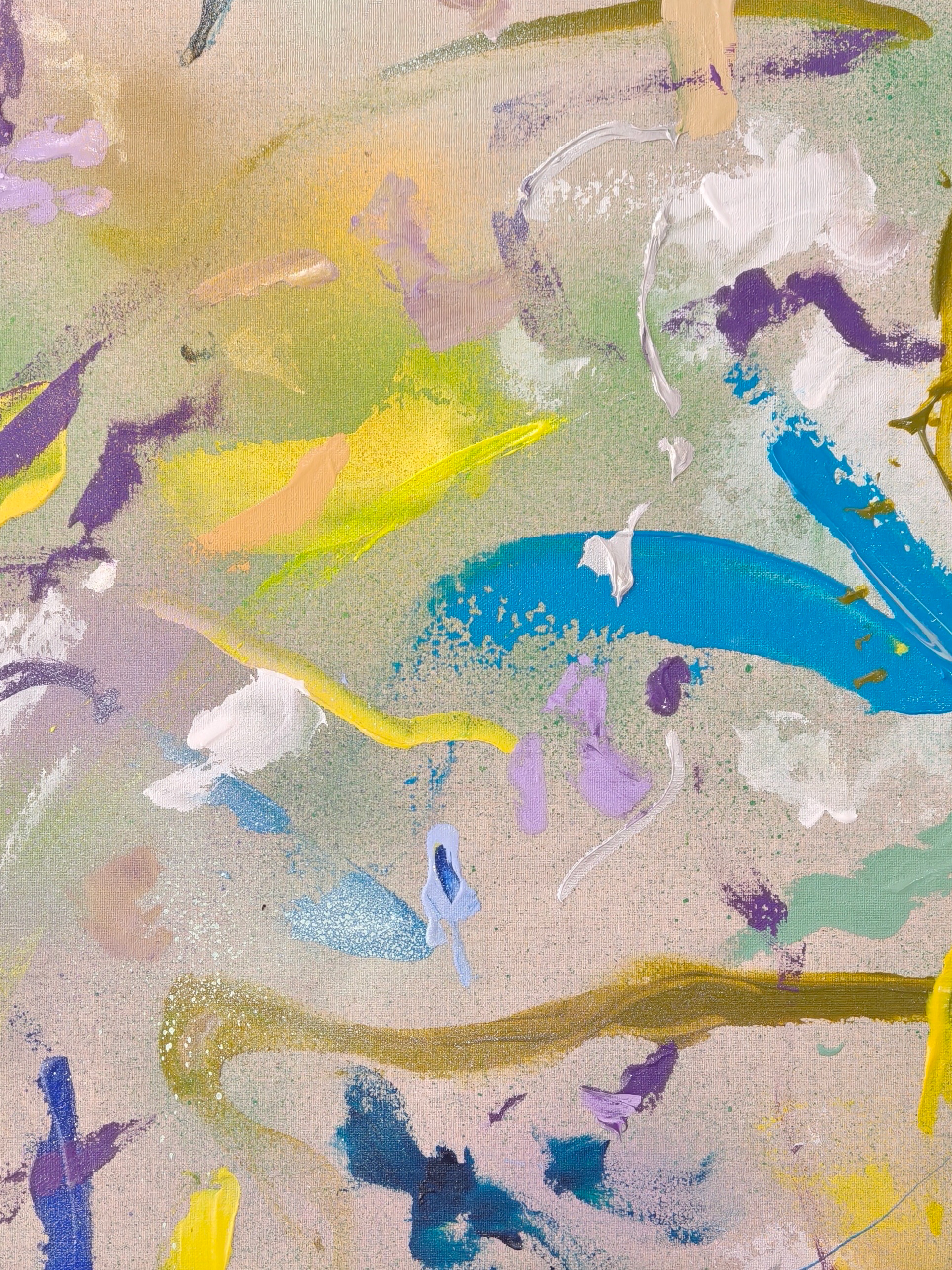
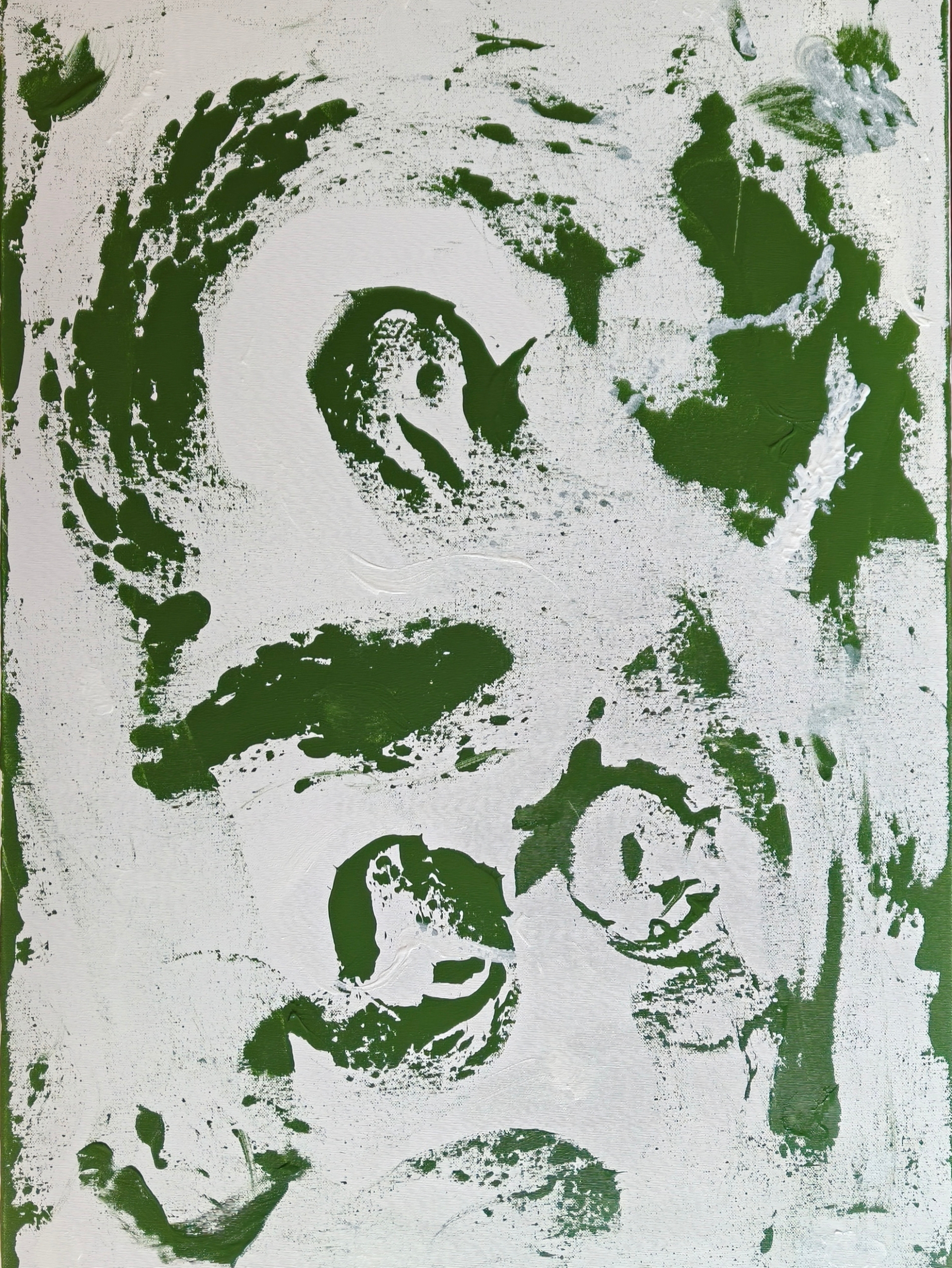
Bridging her background in translational neuroscience and psychology with an intensely tactile material practice, Ling approaches the studio as an organic extension of the laboratory. Her paintings translate electrical storms of synaptic impulses and cognitive frameworks into layered topographies of pigment and acrylic, which, upon being digitized and projected into virtual space, become "digital skins". Through this transition, the loss of tactile friction is counterbalanced by a porous membrane where artistic authority dissolves, allowing the viewer's consciousness—mediated by the cursor as a biological prosthesis—to actively enter and reconfigure the lingering traces of mental ecology.
Brad Rumbl
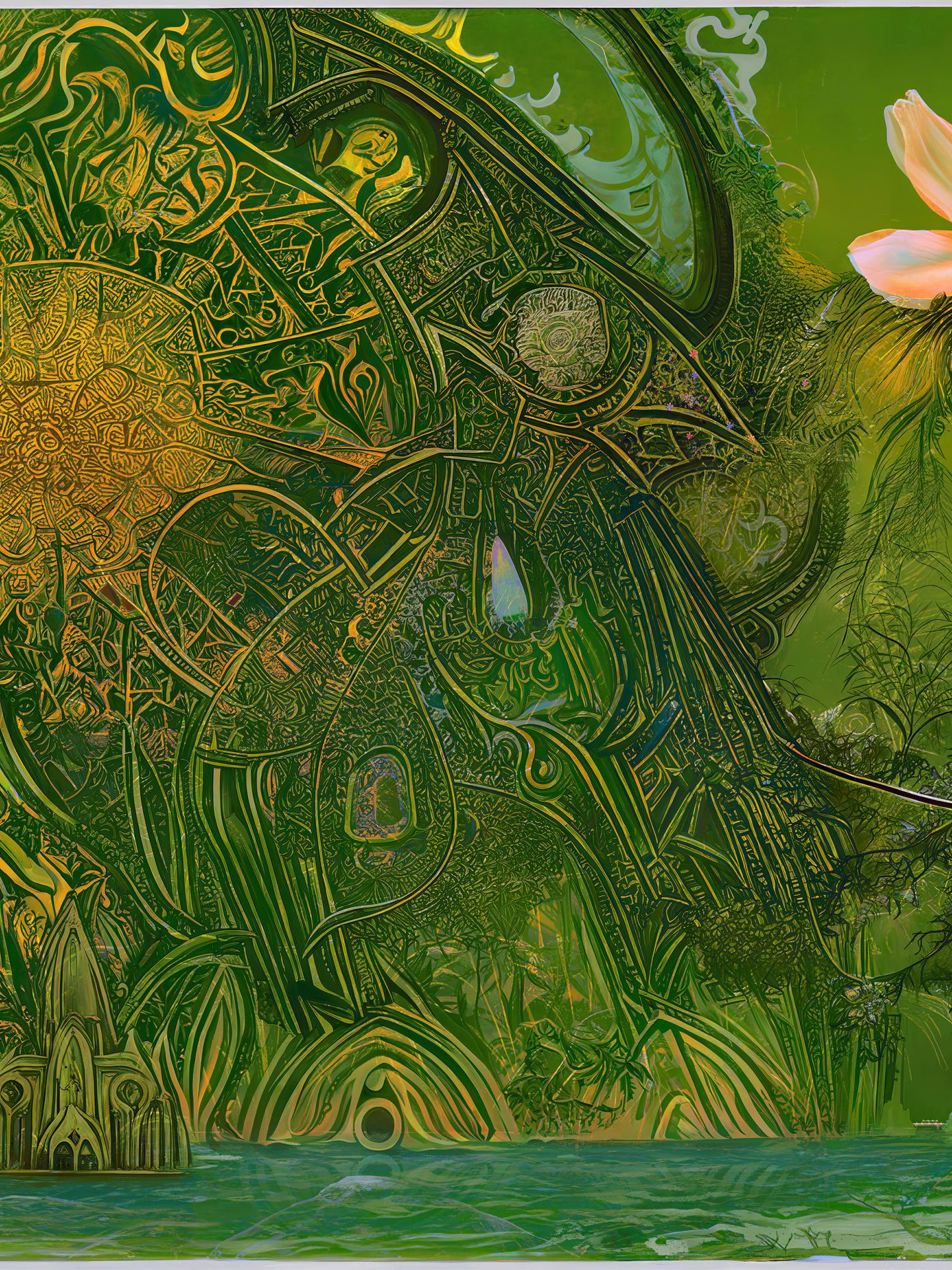
Mobilizing non-AI digital sculpture, sacred geometry, and 3D computation, Brad Rumbl develops what he terms Core Devices: intricate mandalic systems mapping the universal mechanics of the psyche and the emergence of self-actualization. Drawing from lived experiences of neurodiversity, altered states, and the processing of trauma and psychological vulnerability, the artist leverages the algebraic precision of digital matrices and vertices to externalize internal realities impossible to capture physically. The screen transforms into a structured window of inward contemplation, prompting viewers to engage with the sublime architectures through which selfhood is continually rebuilt.
Ryo Kajitani
Grounded in a rigorous ontological inquiry into the image and his personal experience of phantom pain following physical trauma, Ryo Kajitani performs a "somatic excavation" uniting traditional woodcut printmaking with latent diffusion models. By dispersing his private photographic archive into algorithmic noise—a technical procedure conceived as a temporary burial—the artist relinquishes sovereign control over the figure to await the emergence of a "coded ghost". Refusing to sanitize human suffering, the work enacts a contemporary prayer before the opaque machine, returning to the surface a body reorganized around a completely new ontological and postural axis.
João Pedro Oliveira
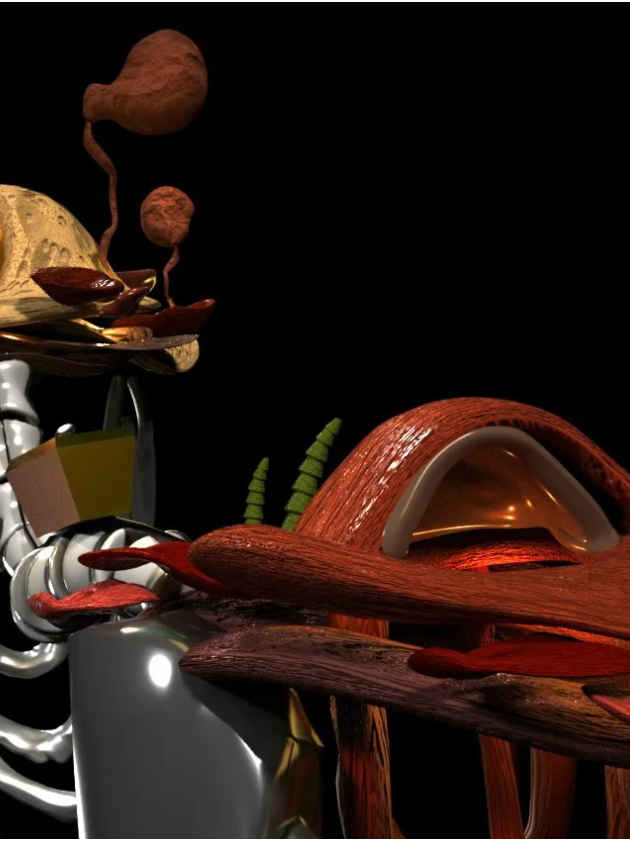
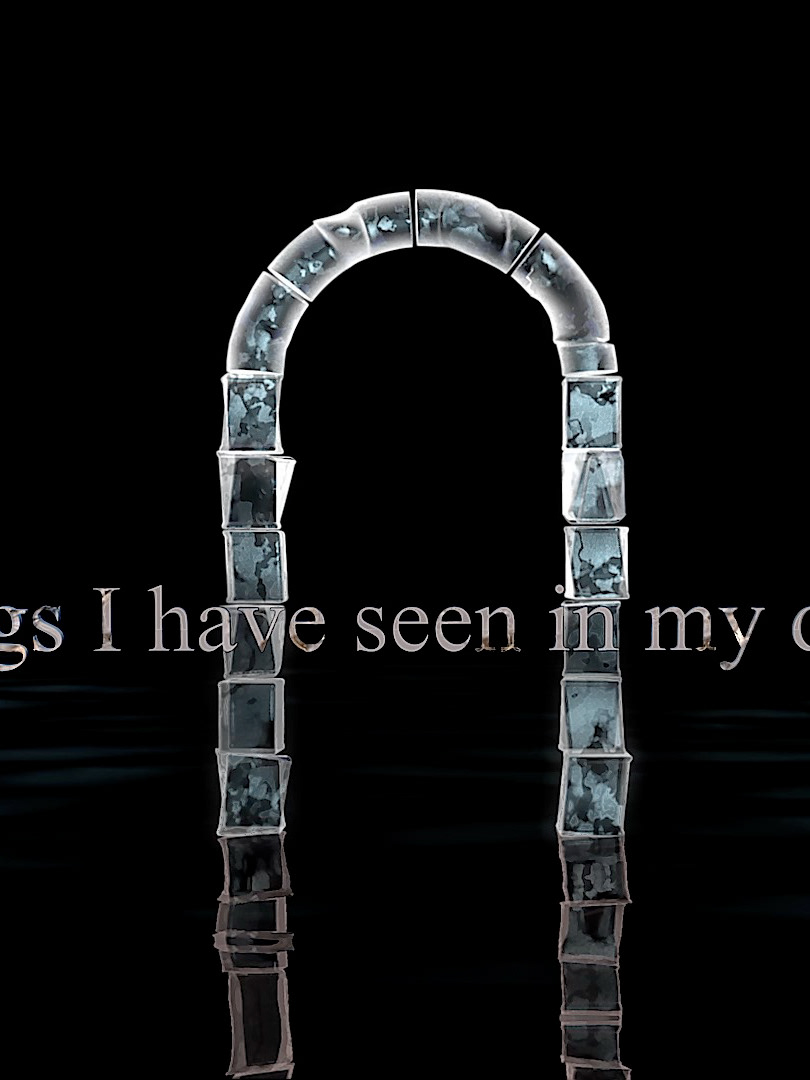
With a celebrated international career rooted in architectural physics and the temporal rigor of electroacoustic and acousmatic music, João Pedro Oliveira approaches sound as the primary interface of perception and altered consciousness. In Things I Have Seen in My Dreams, the composer and visual artist translates fleeting subconscious fragments into kinetic, sonic landscapes, forging a sensory bridge between biological memory and the clinical storage of digital data. In Machinarium, industrial gears and machinic pulsations interlock synesthetically, fashioning a cybernetic ecosystem where mechanisms appear to breathe and the human ghost remains vibrantly alive within the machine.